Recently in Michigan Traffic Offenses Category

Illegal Searches Part 2: Automobile Searches

October 30, 2012,

hot pursuit.jpgIn the second part of our 3 part series on searches, this blog will discuss the rules governing automobile searches. The following needs to be considered when a motorist is pulled over and subsequently searched;

Was the stop a traffic stop or a stop based on suspicion of criminal activity?
Was any search justified?
Was the scope of the search justified?

As alluded to in our prior post, being in an automobile affords individuals much less 4th Amendment protection than being in their home. Police can search a car without a warrant under the 'automobile exception'. Such searches must be supported by probable cause. According to case law, the general population doesn't have a reasonable expectation of privacy within their automobile because it is operated upon public roadways and is highly regulated by the government. Thus, automobiles upon public roadways are subject to a much lower expectation of privacy than a private home - other drivers, and police officers, can see directly into the majority of traveling cars. It should also be noted warrantless searches may be conducted pursuant to a valid inventory search after the seizure of an automobile.

Police can stop a motorist either for violation of the motor vehicle code or based on the hunch of criminal activity. Where the officer actually observes a traffic violation they are allowed to make a stop. However, it is often a traffic stop that allows the police to make an arrest for a more serious crime. The police can run a background check during a traffic stop, if that check shows outstanding warrants the police may then arrest that individual and search their vehicle. Moreover, the police do not need a warrant in order to run a license check of a vehicle.

Police may expand the scope from a brief detention to issue a traffic ticket where there is a fair probability of contraband/evidence in the vehicle based on the totality of the circumstances. If a law enforcement official see's, say for example a bloodied weapon, in plain sight during a traffic stop they may immediately seize that weapon. Another scenario, one that regularly plays out in this office, is where an officer smells alcohol or marijuana during a traffic stop. The smell of marijuana justifies a search of the motor vehicle. Similarly the odor of intoxicants allows the police to conduct roadside sobriety tests.

Where there is no traffic violation, law enforcement may make an investigative stop where they believe criminal activity is taking place. Where there is probable cause that a crime is being committed police may stop an automobile without a warrant (for example where a car is described as leaving the scene of a recently committed crime). Probable cause can be premised on as little as an anonymous tip. Depending what the probable cause is for (meaning a stolen vehicle versus a bag of drugs) will dictate the initial scope of the permissible search. Practically speaking, the police will likely find a way to search the entire car through one of the warrant exceptions. Further, probable cause will typically give pretty wide latitude in terms of what portions of the car can be searched absent a warrant. Police can, for example, open a container if they have reason to believe there is evidence of a crime in that container. However, the search needs to be somewhat logical. That's to say that police likely do not have the authority to search a purse if they stop an automobile under suspicion that it's harboring illegal immigrants.

Beneath is some case law regarding automobile searches.

- The police may not search an automobile if the stop was solely for the purpose of seeing the motorist's license.
- The police may search a car incident to a custodial arrest.
- The police may not search a car where a ticket is issued for a traffic offense provided that's the reason the car was stopped.
- Police may search a car made at the end of a hot pursuit of a crime scene.
- Police may search a car believed to be stolen.
- The police may allow a dog to sniff an automobile during a legitimate traffic stop.

Continue reading "Illegal Searches Part 2: Automobile Searches" »

Criminal and Traffic Jurisdiction of the 41-A District Court, Sterling Heights, Michigan

August 28, 2012,


imagesCA2KPH2C.jpg

This is one of many blogs that our law firm has posted about the Courts where our criminal defense attorneys frequently practice in Macomb County. This is an informational public service blog about the 41-A District Court.

The 41-A District Court in Sterling Heights has jurisdiction from 14 Mile Road to M-59 and from Dequindre to Hayes. This geographical area of approximately 36 square miles contains several major Macomb County thoroughfares such as Hayes, Schoenherr, Van Dyke, Mound and Dequindre. Within Sterling Heights, you will find major shopping centers, the Lakeside Mall, major automotive factories and established residential areas. According to the 2010 US census, the city of Sterling Heights boasts a population of 129,699 and is the second largest suburb in the Metro Detroit area. For these reasons, there are three (3) judges that are needed to administer justice for the City of Sterling Heights. (GOOGLE MAP, CITY OF STERLING HEIGHTS)

The 41-A District Court has jurisdiction to handle non-criminal traffic tickets (civil infractions), criminal matters such as misdemeanors, drunk driving (OWI) and criminal traffic violations. Here is a partial list of offenses which fall under these offense classifications:

Civil Infractions: Speeding, Fail to Obey Traffic Device, Improper Turn, Careless Driving

Criminal Traffic: Drive While Suspended (DWLS), Reckless Driving, Leave Scene of Accident, Fail to Merge for Emergency Response Vehicle

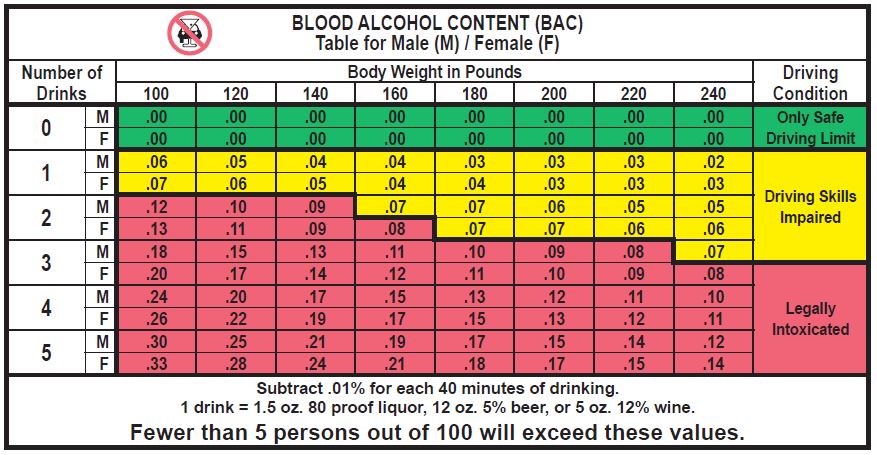
Drunk Driving: Zero Tolerance, Operating While Intoxicated (DUI, OWI), Super Drunk (OWI With a High BAC over .17%)

Misdemeanors: Retail Fraud, Domestic Violence, Disorderly Conduct, MIP, Possession of Marijuana, Possession of Paraphernalia, Malicious Destruction of Property (MDOP), Larceny under $200.00

Criminal Felonies: The district court handles the initial stages of a felony which include issuance of the complaint and warrant, arraignment, bond hearings and preliminary examination. Some arraignments occur after the accused receives a letter and appears voluntarily. The court also utilizes video arraignments for persons that are in custody.

Criminal Warrant Letters: Do not panic if you receive a letter from the Sterling Heights Police directing you to surrender yourself because a criminal warrant has been issued. This would be the time to hire a lawyer if you have not already done so. Our firm has positive experience with scheduling these matters or getting the job done immediately or before a holiday weekend (we don't like to have warrants hanging over our heads over a long weekend). Ordinarily, we can get the warrant, booking, arraignment and bond addressed without any entanglements.

Legal Objectives: Civil Infractions (Traffic Tickets)
As we have mentioned in our other blogs; if you are found guilty of a civil infraction, the offense will appear on your driving record and you will receive point. The Michigan point system is used to determine high risk drivers which can result in license suspension after a person accumulates 12 or more points. In addition, points are used by insurance companies to rate drivers and raise insurance premiums. Do you think insurance companies find it in their best interest to know when a customer has a new ticket? When handling civil infractions, we attempt to reduce or avoid both points and any offense appearing on a client's record.

Legal Objectives: Criminal Cases (Misdemeanors)
If you are found guilty of a criminal offense, it will stay on your permanent criminal record. Our goal is to avoid convictions or to obtain dismissals under special provisions of Michigan laws. While nobody can insure or guarantee that a criminal record will completely disappear after the case is concluded, we will aggressively seek the best case scenario by employing delayed sentence dispositions which result in dismissals for offenses like retail fraud, HYTA for youthful offenders (age 17 but under age 21) and statutory first offender deals such as MCL 333.7411 for drug crimes and MCL 769.4a for domestic violence. Since our firm practices extensively in the 41-A District Court (Sterling Heights and the location in Shelby Township), I can say that the Judges are very receptive to outcomes which are consistent with our objectives based upon several years of experience in this jurisdiction.

The Court also has limited jurisdiction over the initial stages of felony cases which include: authorization of criminal charges, issuance of warrant, arraignment (bond) and preliminary examination. However, felony cases are ultimately resolved in the Circuit Court unless reduced to a misdemeanor in the District Court.

The 41-A District Court is located at 40111 Dodge Park, Sterling Heights, Michigan 48313, Phone: 586-446-2500. The Presiding Judges for the 41-A District Court are Judge Michael S. Maceroni, Judge Stephen S. Sierawski and Judge Kimberley A. Wiegand.


Continue reading "Criminal and Traffic Jurisdiction of the 41-A District Court, Sterling Heights, Michigan " »

37th District Court Of Macomb County; Jurisdiction Covers the Cities of Warren and Centerline

July 25, 2012,

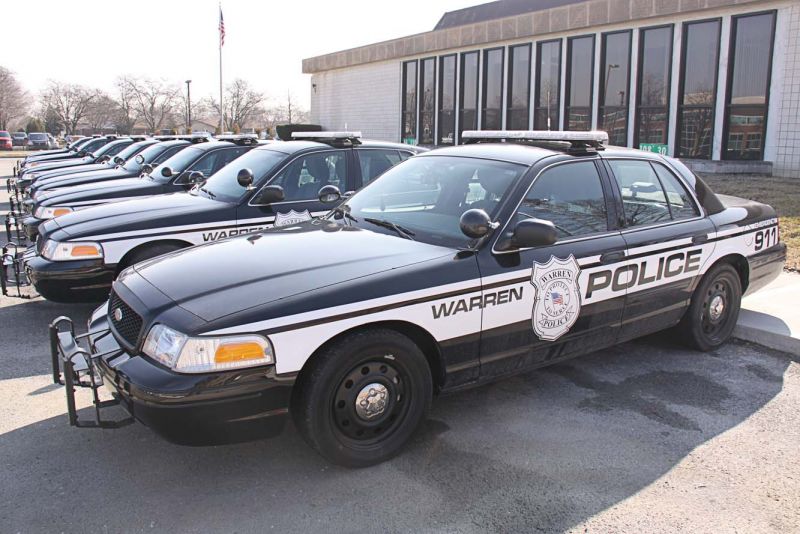
Warren-Police-cars-full.jpg

Many of our blogs explore criminal and drunk driving issues within the realm of our law firm's expertise. Others are about the Courts where we frequently practice law. This blog is about the 37th District Court where we regularly provide legal services to our clients who are charged with traffic offenses, criminal (felony or misdemeanor) and OWI cases arising out of Warren and Centerline.

The 37th District Court has two locations which are located in the cities of Centerline and Warren. (MAP OF WARREN) The jurisdictional boundaries of these Courts covers 36 square (from 8 Mile Road to 14 Mile Road and from Hayes to Dequindre). South of 8 Mile Road is the City of Detroit and West of Dequindre is the County of Oakland. Within the boundaries of the 37th District Court are major Macomb County roads, the I-696 expressway, industrial centers, General Motors Tech Center, Automobile Dealers, over 100 restaurants and retail establishments.

The Warren Police Department (WPD) is located directly behind the 37th District Court. The WPD is one of the most active law enforcement agencies in Macomb County with a major detective bureau, air force (helicopter) motorcycle and traffic patrol squad. The detective bureau has a drug enforcement team as well as other units which engage in various undercover operations including cracking down on prostitution. The Michigan State Police also have a presence in Warren as the law enforcement entity responsible for patrolling I-696 expressway.

Our firm has represented clients charged with just about every imaginable misdemeanor and/or felony crime in the 37th District Court including drunk driving (OWI), drug crimes, disorderly conduct, prostitution, offer to engage or solicit sex from another, domestic assault, assault crimes, retail fraud, larceny, fraud, breaking and entering, child abuse, criminal sexual conduct, indecent exposure, malicious destruction of property, traffic violations, DWLS and probation violations.

As experienced criminal defense attorneys in Macomb County, I can say that the 37th District Court is a just and fair place to practice law. What I mean is that Judges are willing to listen to arguments and fairly dispose of criminal, drunk driving and traffic cases. I have found that the Judges are willing to give a criminal defense attorney some leeway when a case goes to trial or preliminary examination. In addition, most criminal cases handled by our firm are resolved without trial (90% or more are resolved by aggressive plea negotiations).

Criminal Cases in the 37th District Court

We set various goals when a client is charged with a criminal or drunk driving offense. Avoidance of a criminal conviction and jail are on the top of our list of goals. Some of our success stories include reducing a felony to a misdemeanor or having a case taken under advisement with a dismissal after a period of probation and compliance with the Court's conditions. We have utilized every special provision of law in the 37th District Court to obtain dismissals of retail fraud, domestic violence, possession of drugs/marijuana, MIP and many other criminal offenses. The Court will also consider petitions to have youthful offenders (age 17 but under age 21) placed on a special status where the public record will be sealed and the offense dismissed for eligible offenders.

Drunk Driving Cases in the 37th District Court

I have found the Judges in the 37th District Court to take some mercy on first offenders whether they are charged with a criminal offense or drunk driving (OWI). Drunk driving cases rarely get dismissed. However, by aggressively defending our clients, an OWI charge can often be reduced to a lesser offense which will save a client money, points and driver responsibility fees. I have represented two (2) clients in July 2012 who had BAC (Blood Alcohol Content) results of .17% or greater. In both cases, I was able to have the charges reduced to impaired driving. (A chemical test result of .17% or greater is known as a "Super Drunk" case and the policy is usually against any reduction in the charge).

Traffic Violations in the 37th District Court

When resolving a traffic matter in the 37th District Court, we are often able to have traffic tickets amended and avoid points. A traffic ticket can be reduced to a Michigan civil infraction known as "impeding traffic" which does not appear on a person's driving record and does not carry any points.

We take every precaution to know the strengths and weaknesses of our cases, set realistic goals and formulate strategies to achieve favorable results. In doing so, we will obtain discovery (police reports, videos, test results), witness statements and make recommendations to our clients for counseling whenever this is an appropriate course of action.

37th District Court Locations:

Warren: 8300 Common Road, Warren, MI 48093 Phone: 586-574-4910

Centerline: 7070 East 10 Mile Road, Centerline, MI 48015, Phone: 586-757-8333

37th District Court Presiding Judges:

John Chmura, Matthew Sabaugh, Jennifer Faunce, Dawn Gruenburg

Soon, Judge Dawn Gruenburg will be leaving the 37th District Court for a Federal Judicial Appointment. She will be dearly missed. Her replacement will be appointed by Governor Rick Snyder. Our firm has sent letters to Governor Snyder in favor of qualified candidates.


Part 2: The Court Process: First Offense Drunk Driving Cases In Macomb County, Michigan

September 7, 2011,

41B%20District%20Court[1].jpg

Most drunk driving (DUI or OWI) cases in Macomb County are resolved without trial. The vast majority of first offense drunk driving (DUI or OWI) cases can be negotiated to the lower offense, such as operating while impaired, unless there are policy reasons which prohibit the prosecuting attorney from plea bargaining.

Our attorneys will be able to review the police reports and discuss various options with our clients such as trial and deviation requests for charge reductions. When a client is charged with a high blood alcohol drunk driving for obtaining a chemical test result of .17% or more (High BAC or Super Drunk), is involved in an accident or has a prior record involving substance abuse, there are legal maneauvers which we will explore to get the case under control.

Court Process and Possible Sentence Conditions for First Offense Drunk Driving (DUI or OWI)

1. Arraignment: You are required to appear unless advised by your attorney that arraignment is waived. At arraignment, the court will advise you of the charges, set your next court date and impose bond conditions which may include random alcohol testing or alcohol monitoring.

2. Pretrial Conference: For misdemeanor charges, a pretrial conference is scheduled and a plea bargain may be negotiated or your case set for trial.

3. Substance Abuse Evaluation: You will be interviewed regarding your substance abuse history and a report will be prepared and provided to the Judge at the time of sentencing.

4. Sentence: The following possible penalties can be imposed by the Court at sentencing:
-Fines and Costs: $800.00 - $1,500.00 (due at the time of sentencing)
-Police/municipal response costs may be due to the city or township
-Maximum Probation Term: Up to 2 years for misdemeanor (reporting or non-reporting)
-Substance abuse counseling, random testing for drugs and alcohol
-Vehicle immobilization, vehicle forfeiture
-Community Service
-Up to 93 days in Jail for OWI or Impaired Driving, Up to 180 days for Super Drunk

In general, the District Courts in Macomb County do not impose jail time for first offenders convicted of a drinking and driving offense. In many cases, our firm has been able to advocate for non-reporting probation. If there is a probation violation, the Court can impose any remaining jail time for a maximum of 93 days for OWI or Impaired or 180 days for Super Drunk. A probation violation can occur if a person receives a new criminal charge, fails to attend counseling or fails a random test.

Mandatory State of Michigan Sanctions for First Offense Drunk Driving

Super Drunk (High BAC .17% or more): License Action: 45 days suspended, 320 days restricted with ignition interlock device, $2,000.00 driver's responsibility fee, 6 points.

Operate While Intoxicated (OWI or DUI): License Action: 30 days suspended, 150 days restricted, $2,000.00 driver's responsibility fee, 6 points.

Impaired Driving (OWVI): License Action: 90 days restricted, $1,000.00 driver's responsibility fee, 4 points.

License Restrictions, Limitations: When one's license is restricted, driving is limited as follows:

-To and from residence and employment, and during employment;
-To and from alcohol or drug education or treatment program;
-To and from regularly scheduled treatment for serious medical condition;
-To and from probation, community service and school.


Other Important Information:

-Driver License revoked minimum of 1 year for 2 drinking and driving offenses within 7 years or 3 offenses within 10 years.
-A person may be charged with a felony for 3 lifetime drinking and driving offenses..
-If you refused the chemical test (implied consent refusal), you must file for a hearing or your license will be suspended for 1 year! You have limited rights to appeal a suspension based upon implied consent refusals.
-If your BAC is .17% or greater, an OWI can be amended to Super Drunk prior to final disposition or plea.

41-B District Court Lists Points, Fines and Costs for Criminal and Traffic Offenses

July 6, 2011,

comap[1].jpg

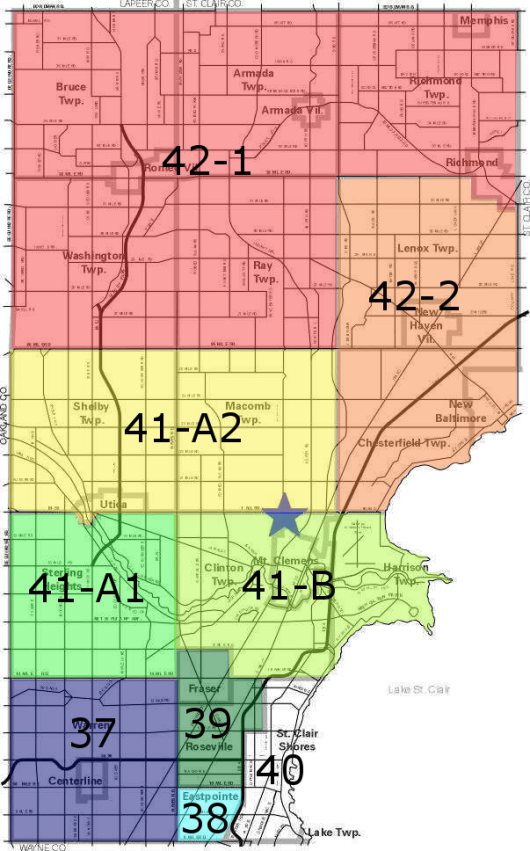
The 41-B District Court is located at 22380 Starks Drive, Clinton Township, Michigan 48038, phone: 586-469-9300. It has jurisdiction to handle civil, traffic and criminal cases arising in Clinton Township, Harrison Township and Mount Clemens. Clinton Township has its own police department while Harrison Township and Mount Clemens are policed by the Macomb County Sherriff's Department. This Court gets a fair share of traffic with M-59 bordering the north end and Gratiot Avenue bordering the east end of its territory. The Court is served by Judge Sebastian Lucido, Judge Linda Davis and Judge Carrie Lynn Fuca.

As a Macomb County law firm, we have practiced extensively in the 41-B District Court and can say that all of the Judges have their own policies and practices. As far as fines and costs for traffic and criminal cases are concerned, the 41-B District Court has a website link which contains a partial list of points, fines and costs. For the most part, the 41-B District Court Judges will impose similar fines and costs. The fine for the traffic offense "impeding traffic" is $160.00. The offense of "impeding traffic" carries 0 points and does not appear on an offender's record. The offense of "limited access speed, 1-5 over" is $120.00 and does not carry any points but will appear on the offender's record. While both offenses carry 0 points, an offense appearing on a driving record can be used to for insurance purposes.

The website does not list fines and costs for many misdemeanors or drunk driving. However, my experience is that the fines and costs for a first offense drunk driving (OWI or DUI) or impaired (OWVI) will be approximately $1,200.00 to $1,400.00. This is not the total cost for a drunk driving offense in the 41-B District Court. Other approximate costs will include probation oversight expenses of $20.00 per month for 1 to 2 years, substance abuse counseling, driver responsibility fees ($2,00.00 for operating while intoxicated and $1,000 for operating while impaired), driver license reinstatement fee, random alcohol testing fees and sobriety monitoring fees. Under certain circumstances, the Court may consider non-reporting probation for a first offender that does not have a substance abuse disorder and is not likely to commit a crime in the future. An attorney can argue to lessen some of the programs and costs which I have mentioned.

Click here for 41-B District Court Home Page

Click here for map to 41-B District Court

Click here for 41-B District Court list of fines, costs at points

Click here for list of all links to all Macomb County District Courts

Click here for map of Macomb County Michigan


Continue reading "41-B District Court Lists Points, Fines and Costs for Criminal and Traffic Offenses" »

Michigan Criminal Traffic Offenses; Fleeing and Eluding, Leaving the Scene of Accident

April 15, 2011,

police-chase[1].jpgIn one of my prior posts, I added a link to the The Michigan Traffic Offense Code. This link contains a complete list of all Michigan traffic offenses along with penalties, points and license sanctions.

Although many traffic offenses in Michigan are civil infractions, there are numerous others that are classified as criminal misdemeanors or felonies. All criminal offenses have the potential for jail and require an appearance before the judge. You should hire a lawyer immediately if you are charged with a criminal traffic offense. Virtually all offenses involving alcohol, driving on a suspended license, leaving the scene of an accident or engaging in a police chase are criminal offenses.

The following is a partial list of Michigan criminal traffic offenses which we have defended in Macomb, Oakland and Wayne County including the district courts located in Royal Oak, Clinton Township, Warren, Sterling Heights, Romeo and Shelby Township:

1st Degree Fleeing and Eluding: Felony which involves the act of fleeing the police resulting in a death. Maximum Punishment: 15 years in prison and/or $10,000.00 fine.

2nd Degree Fleeing and Eluding: Felony which involves the act of fleeing the police resulting in a serious injury or the defendant has a prior offense for fleeing fourth degree. Maximum Punishment: 10 years in prison and/or 5,000.00 fine.

3rd Degree Fleeing and Eluding: Felony which involves the act of fleeing the police resulting in an accident or where the defendant has a prior offense for fleeing first, second or third degree. Maximum Punishment: 5 years in prison and/or $1,000.00 fine.

4th Degree Fleeing and Eluding: Felony which involves the act of fleeing the police resulting in an accident or where the defendant has a prior offense for fleeing first, second or third degree. Maximum Punishment: 2 years in prison and/or $500.00 fine.

Leaving the Scene of a Personal Injury or Property Damage Accident: Misdemeanor, 6 points
All drinking and driving offenses in Michigan (operate while intoxicated-OWI, impaired driving-OWVI, operate with the presence of drugs-OWPD, super drunk-BAC of .17% or greater, child endangerment, zero tolerance-minor with any BAC) are all classified as criminal offenses. A third lifetime drunk driving (OWI, OWVI, OWPD, DUI) offense is charged as a felony which can carry up to 5 years in prison.

Traffic Offenses In Michigan; Resolving Traffic Tickets In Macomb, Oakland and Wayne County

April 13, 2011,

traffic-police-colour[1].jpgThe Michigan Traffic Offense Code contains a complete list of all Michigan traffic offenses along with penalties, points and license sanctions. This is an excellent reference for you to keep with your favorite links.

Traffic offenses can be classified as civil infractions or criminal. For example, tickets for speeding and disobeying a traffic control device are always civil infractions in Michigan.

Points for Speeding Tickets
1 to 10 mph over limit 2
11 to 15 mph over limit 3
Over 15 mph over limit 4

When you get a ticket, points are added to your Michigan Driving Record which can result in driver responsibility fees and increased insurance costs. In addition, if you accumulate 12 or more points, your license will be suspended. Anyone getting a ticket should get a traffic defense lawyer to review all possible options. The avoidance of points has a huge economic benefit as far as motor vehicle insurance costs are concerned.

When you hire a lawyer, the case can be scheduled for a conference and your lawyer will have the opportunity to discuss the case with the prosecutor or city attorney. All of the district courts in Macomb County, and most of the courts in Oakland and Wayne County, will consider amending tickets to lesser offenses. Having experience in all Macomb County District Courts from the 37th District Court for Centerline and Warren, the 41-A District Court in Sterling Heights and the 41-B District Court covering Clinton Township, Mount Clemens and Harrison Township, I can say that each has a reasonable attitude towards resolving traffic tickets especially where the offender has a good driving record.

Most of the time, an attorney can negotiate for reduction of the ticket which usually means less points. When this occurs, the ticket is amended to an offense such as "impeding traffic" which is a zero point violation and does not appear on the driving record. A fine is usually imposed in the amount of approximately $150.00. If the party fighting the ticket has a bad record, the prosecutor or city attorney may agree to reduce the ticket if the offender attends traffic school. If there was an accident, a victim may object to the reduction.

I will be posting another guide which covers criminal traffic offenses in Michigan.